
Taking your dog from the UK to Europe in 2026: the new rules, explained by a dog
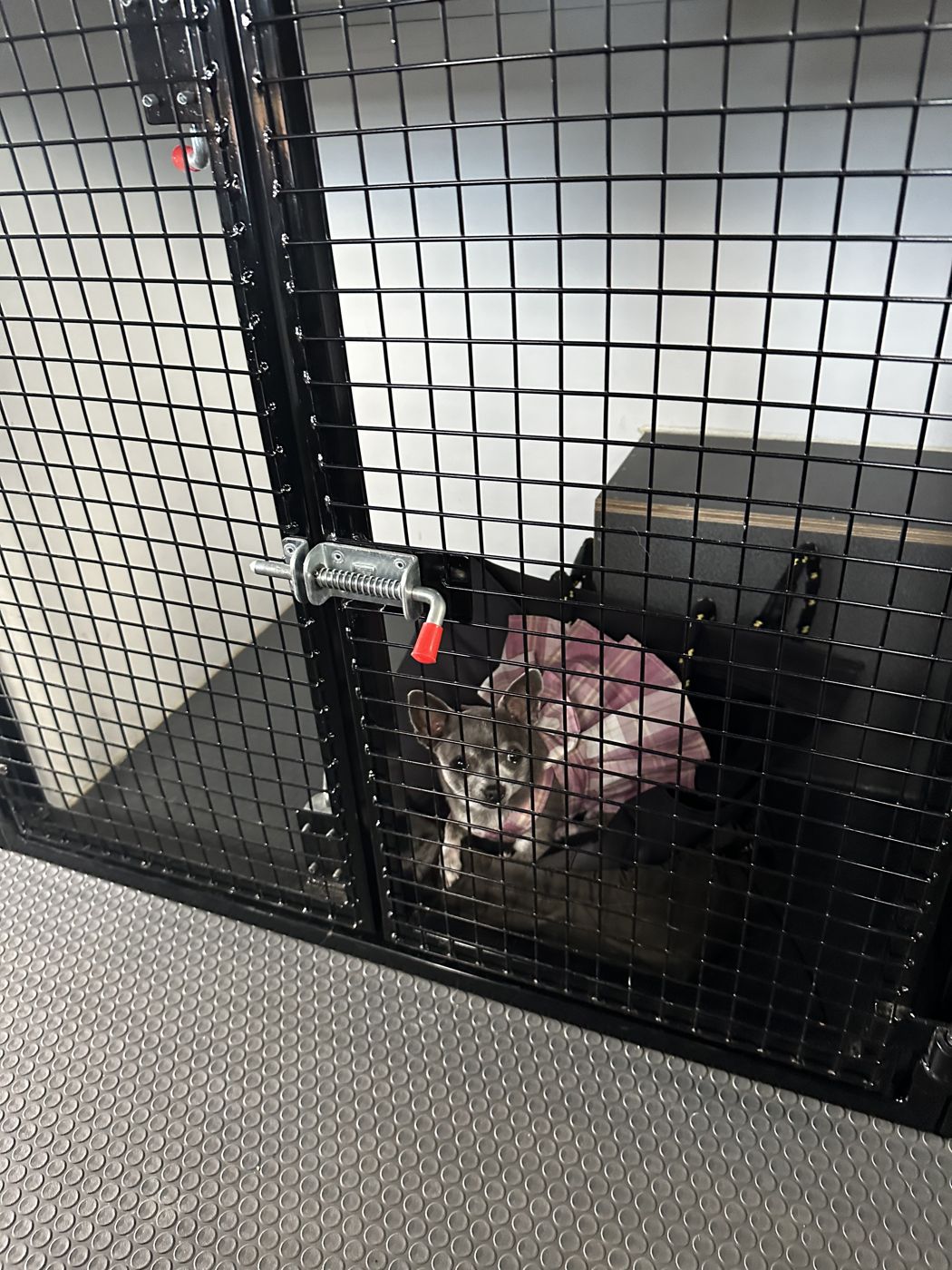
I have crossed the Channel a lot. The rules have changed a few times since I started, and they changed again on 22 April 2026, so here is the current state of things, checked in October 2026.
Quick note from my human: rules change, so always double-check the official GOV.UK pages linked at the bottom before you travel.
The short version
If you live in Great Britain and you’re taking a dog to an EU country, you need:
- A microchip, fitted before the rabies vaccine.
- A rabies vaccination, given at least 21 full days before you travel if it’s the first one.
- An Animal Health Certificate (AHC) from an official vet, issued no more than 10 days before you arrive in the EU.
- A tapeworm treatment on the way home, given 1 to 5 days before you arrive back in Great Britain (unless you’re coming straight from Ireland, Northern Ireland, Finland, Malta or Norway).
What changed in April 2026
From 22 April 2026 the EU tightened things for people who live in Great Britain:
- EU pet passports are for EU residents only. If your main home is in Great Britain, you should no longer use an EU pet passport to enter the EU, even if you got one years ago. You can still use it for the trip home to GB.
- Animal Health Certificates now last longer. An AHC gets you into the EU within 10 days of being issued, and is then valid for up to six months for travelling between EU countries and for coming back into GB, as long as the rabies vaccine stays in date.
- You still need a new AHC for every trip. It’s single use for entering the EU, so each holiday means a new vet appointment.
- Someone else taking your dog? They need your written permission, and the dog must travel within five days of you.
- Driving? The limit is now five pets per vehicle, not five per person.
Getting the Animal Health Certificate
Book an appointment with an Official Veterinarian (not every vet is one, so ask when you book). Bring:
- your dog’s microchip number and the date it was fitted
- the rabies vaccination record
- your travel dates and the country you’re entering first
The certificate has to be issued within the 10 days before you arrive in the EU. Prices vary a lot between practices, so it’s worth phoning around.
Getting there
You can’t just turn up at any port. Dogs have to use an approved route. The main options:
- Eurotunnel Le Shuttle. The easiest with a small dog: you stay in the car the whole time, the pet check happens at the terminal, and nobody makes you sit on a ferry deck in the wind.
- Ferries from Dover, Portsmouth and others. Most let dogs stay in the car or book a pet-friendly cabin.
- Flying. Possible on the way out (see my guide to flying from the UK with a small dog), but dogs can only fly into the UK as cargo, so plan your return carefully.
Coming home
To get back into Great Britain your dog needs:
- the same AHC (valid for six months for re-entry), or an EU passport if you’re an EU resident
- a tapeworm treatment from a vet abroad, given between 24 hours and 5 days before you arrive, written into the paperwork
- an approved route and carrier
If something is wrong with the paperwork, your dog can be put into quarantine for up to four months, at your expense. Read that again. Then go and check the tapeworm date.
My checklist
- Microchip working (ask the vet to scan it)
- Rabies vaccine in date
- AHC booked within 10 days of arrival
- Ferry or tunnel booked as a pet booking
- Tapeworm vet appointment booked abroad for the trip home
- Copies of everything on your phone
Bon voyage. Bring snacks.
Official sources: Taking your pet abroad: Animal Health Certificates (GOV.UK) · New EU rules for pet travel for GB residents (GOV.UK) · Bringing your pet to Great Britain (GOV.UK)